Dahlias Bring Vibrancy to Urban Green Spaces
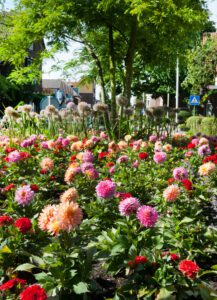
Dahlias are becoming a staple in public landscapes across many cities. From parks and roadside verges to roundabouts and planters, they deliver a long-lasting burst of color—and support biodiversity.
Bold Contrasts and Extended Bloom
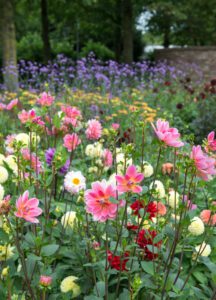
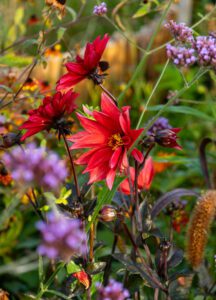
Dahlias bloom from July until the first frost. The range is extensive, and breeders introduce new cultivars every year. Nearly every flower color is represented, including multicolored varieties. Single and semi-double blooms are especially attractive to bees and butterflies thanks to their accessible nectar and pollen. For landscaping, low and medium-height types such as Mignon, Topmix, and anemone-flowered dahlias are ideal. Dark-leaved varieties are popular for their striking contrast between foliage and flowers.
From Planting to Lifting
Dahlias thrive in almost any soil, provided it drains well and isn’t too dry. On poor soils, organic fertilizer is recommended. Tubers are planted after the last frost in a sunny location, with the crown just below the surface. The plants quickly form a dense cover, leaving little room for weeds. In fall, the tubers are lifted and the bed can be prepared for spring-flowering bulbs.
High Visual Impact
Dahlias look stunning in groups or mixed plantings and pair beautifully with other plants. Verbena bonariensis adds an airy feel, while ornamental grasses bring structure and movement. Combinations with summer bloomers such as Canna and Crocosmia enhance the seasonal display. In any planting scheme, dahlias deliver exceptional visual appeal.
Did You Know?
Dahlias originate from Central America, particularly Mexico. The Aztecs used the tubers as animal feed.